

Practices to Keep Testing Purpose-Driven and Effective

Ayush M.

Dec 15, 2025


Software testing can sometimes deviate significantly from its intended path, resulting in misaligned efforts, wasted time, and inefficient use of resources. When this happens, the original project objectives and quality standards are compromised.
To prevent this, it is essential to recognize the factors that commonly lead testing efforts in the wrong direction.
1. Assuming the Function or Feature Is “Supposed to Work” in a Certain Way
A tester must have absolute clarity regarding the expected behavior of any feature or functionality. Beginners often rely on assumptions rather than precise requirements, which introduces inconsistencies in testing.
Key principle:
“Test the project according to its defined requirements, not according to how it was developed.”
Testing must strictly align with functional specifications. There should be no gap between what needs to be tested and what the tester is actually testing. Misaligned understanding results in incomplete or inaccurate validation.
2. Lack of Coordination Between Front-End and Back-End Teams
Effective testing requires synchronized communication among front-end developers, back-end developers, and testers. Any disconnect or lack of clarity within the team can result in:
- Misinterpreted requirements
- Incorrect prioritization of features
- Delays in delivering tasks that could have been completed earlier
Transparent communication ensures the entire team moves in the same direction, aligned with the product goals.
3. Not Understanding the Core Purpose of the Feature or Project
Testers shouldn’t execute test steps mechanically. It is crucial to understand why a feature exists and how it impacts the end user.
When testers understand the feature’s real-world purpose, they can identify:
- Critical user paths
- High-impact scenarios
- Broader edge cases
Example:
If a tester knows that an audio chatbot allows users to set calendar reminders, they will naturally explore additional scenarios beyond simple audio input, covering deeper integration paths and user workflows.
4. Thinking Only Within the Feature and Not Beyond
A common oversight is focusing solely on the feature under test without analyzing its impact on related areas.

Testers should remember the fundamentals of integration testing:
- Prepare test cases for the feature itself
- Prepare test cases for the areas impacted by it
- Analyze how changes in one feature affect interconnected components
- Validate expected reactions in related modules
- Confirm that the feature’s behavior aligns with overall system flow
Testing must include both internal functionality and external interactions.
5. If Something Feels Unnatural During Testing, It Will Feel Unnatural to the User
A feature may technically function correctly but still provide a poor user experience due to awkward flows, UI inconsistencies, or performance delays.
If something feels off during testing, assume users will feel the same.
Users should not be expected to “adjust” or “get used to” substandard experience. High product quality requires:
- Intuitive interactions
- Smooth transitions
- Optimized performance
- Visually consistent UI
Ignoring these aspects leads to dissatisfied users and degraded product value.
6. Performing Rough or Shallow Testing Due to Time Constraints
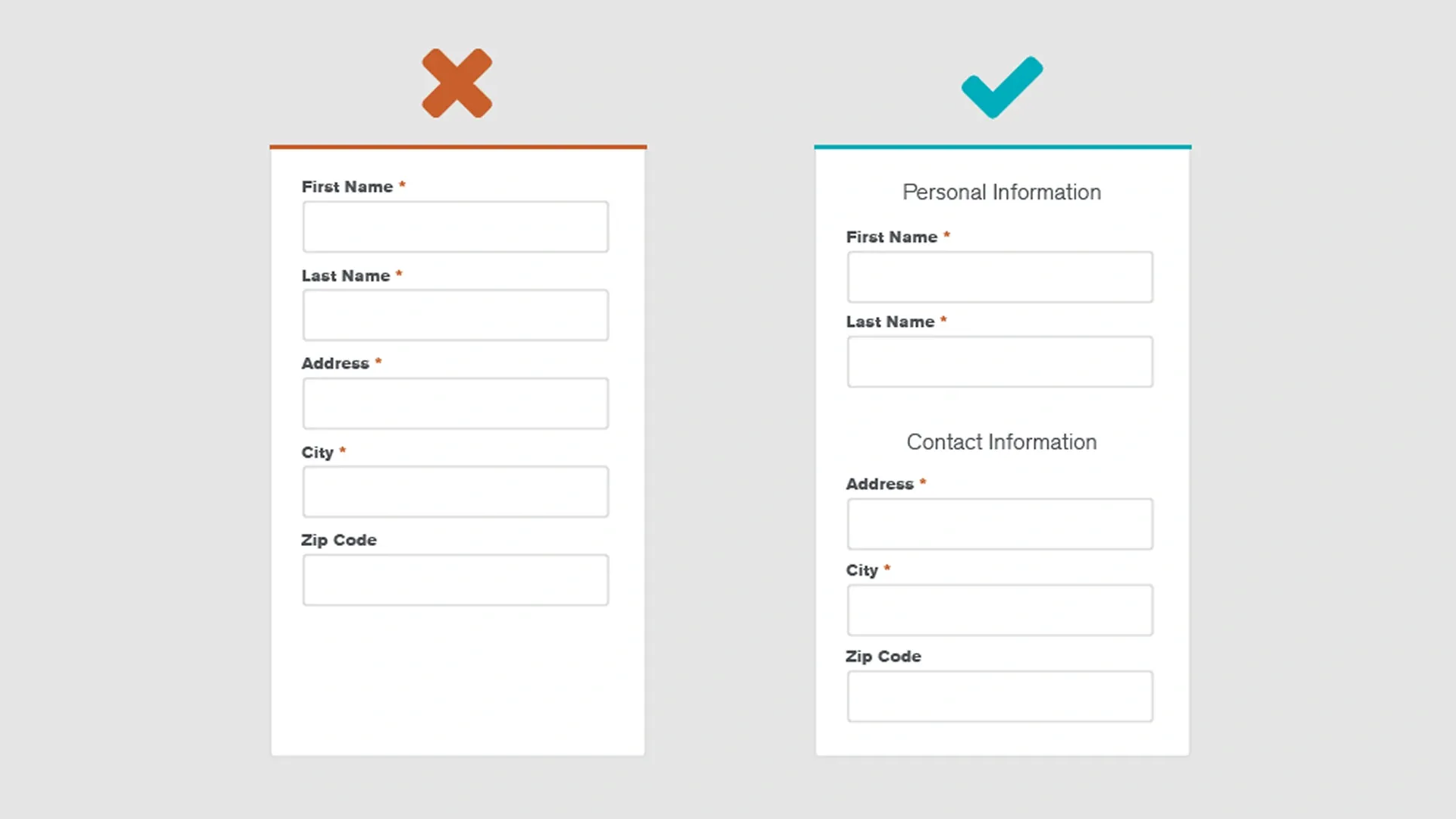
Time pressure often leads testers to skip essential scenarios or conduct surface-level testing. However, insufficient testing increases the risk of critical defects reaching production.
When deadlines are tight:
- Communicate proactively to request additional time if needed
- Prioritize core functionalities
- Ensure high-impact workflows are fully validated
Example:
In an e-commerce application nearing release, priority should be given to critical flows such as:
- Sign-up / Sign-in
- Profile creation
- Add to cart
- Checkout
- Applying filters
Lower-priority areas such as “About Us” or non-critical UI details can be addressed later.
7. Not Verifying Test Coverage for a Completely New Feature
When a new feature introduces an unfamiliar interface or system, both developers and testers are equally exposed to learning curves. In such cases, missing general or essential test scenarios is very common.
To avoid this:
- Review the feature thoroughly with the team
- Validate that all functional and edge cases are identified
- Use external sources such as documentation, online references, or AI tools to explore additional scenarios
- Expand test coverage beyond initial assumptions
This ensures comprehensive testing and minimizes unnoticed gaps.
Conclusion
These common challenges often derail testing efforts and reduce the overall quality of the product. By maintaining clarity, communication, and strong testing discipline, testers can ensure a more structured, efficient, and impactful testing process.
Keeping these principles in mind will ultimately lead to higher-quality work and a superior end product.