

Why Most Data Breaches Are Preventable: A Developer’s Guide

Jay P.

Jan 02, 2026

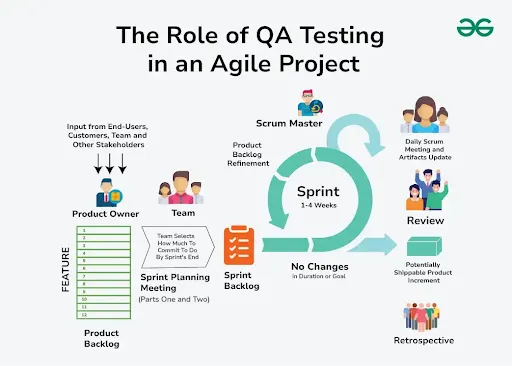
The role of QA is not disappearing.
What is disappearing is late-stage testing that reacts to problems instead of preventing them.
Quality Engineering (QE) is not a title change. It is a change in where problems are solved and how early they are prevented.
This article explains what QE really means — using a real project scenario, not theory.
1. What Modern QA Actually Does (In Practice)
Modern QA starts before development, not after deployment.
In one of our projects, requirements were shared as user stories with acceptance criteria.
They looked clear — until we tested them on paper.
During static testing, we found:
- No behavior defined for partial API failures
- Missing validation rules for optional fields
- No clarity on retry logic
These issues were not bugs yet — but they would have become production bugs.
What the Quality Engineer changed
- Added edge cases to acceptance criteria
- Forced alignment between backend and frontend expectations
- Blocked development until ambiguity was resolved
Why this matters
-
Fixing logic at design time costs almost nothing
Fixing it after release costs sprint time, hotfixes, and credibility - Teams shipped faster because rework was eliminated
2. Going Beyond UI: Testing the System, Not Screens
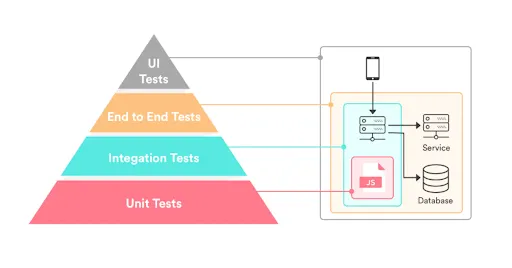
In the same project, UI testing showed everything was “working.”
But API validation told a different story.
We tested microservices using API collections and verified:
- Data mismatches between services
- Silent failures returning HTTP 200 with wrong payloads
- Database writes succeeding without proper constraints
What went wrong
- UI masked backend inconsistencies
- Errors appeared only under real user flows
- Bugs escaped to staging repeatedly
What the Quality Engineer changed
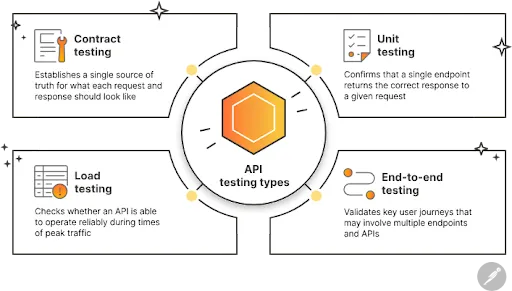
- Introduced API-level contract testing
- Added SQL checks for data integrity
- Validated logs instead of relying on UI behavior
Why this matters
-
UI-only testing gives false confidence
Backend failures are expensive in production - API-level validation reduced escaped defects significantly
3. Defect Reporting vs Defect Ownership
Traditional QA reports bugs. Quality Engineers explain failures.
In one release, a payment flow intermittently failed in staging.
The issue was reported multiple times but never fixed properly.
What changed
The bug was fixed in one attempt.
- QE analyzed logs instead of re-testing UI
- Identified a race condition in async processing
- Shared exact failure point with timestamps and payloads
Why this matters
- Developers fix problems faster with root cause, not screenshots
- Repeated bugs kill velocity
- QE reduces noise and increases signal
4. Risk-Based Testing: Why “Test Everything” Is a Trap
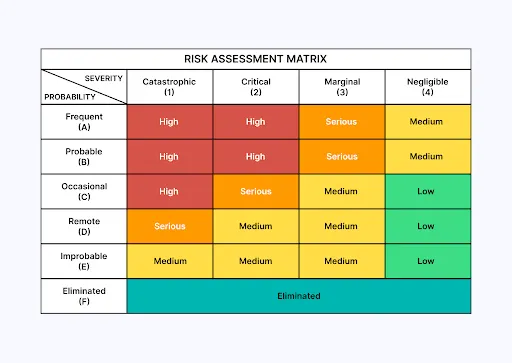
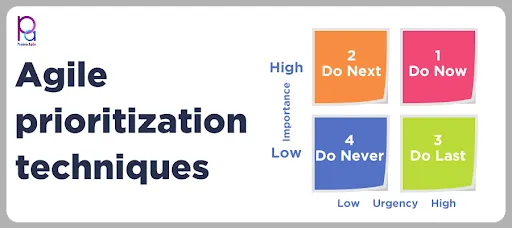
In agile teams, time is limited. Testing everything equally is not realistic — or smart.
We mapped features by:
- Business impact
- Frequency of use
- Failure cost
Only critical paths received deep regression. Low-risk areas were covered by automated smoke tests.
What improved
- Regression time dropped by ~40%
- Releases became predictable
- QA effort matched business value
Why this matters
- Risk-based testing increases release speed
- Teams stop burning time on low-impact scenarios
- Quality becomes strategic, not reactive
5. Shift-Left and Shift-Right: What Actually Changed
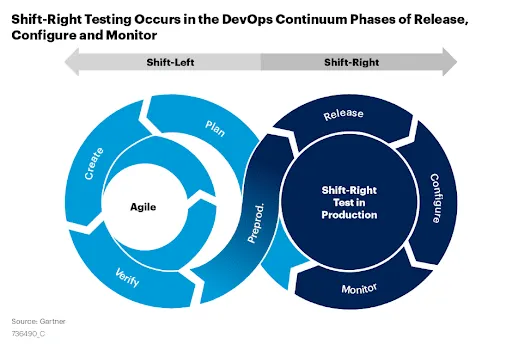
Shift-Left in reality
- QE reviewed stories before development
- Pair-reviewed unit tests
- Prevented bad code paths early
Shift-Right in reality
- Synthetic checks ran in production
- Feature flags limited blast radius
- Failures were detected before users complained
Why this matters
- Bugs caught early save sprint capacity
- Bugs caught late damage trust
- QE protects both code and reputation
6. What We Actually Learned (Not Theory)
This project taught us clear lessons:
- Quality cannot be tested in at the end
- UI success does not mean system stability
- Logs matter more than screenshots
- Risk-based testing beats full regression
- QE accelerates releases when embedded early
Conclusion: The Real Value of Quality Engineering
When Quality Engineering works, nothing dramatic happens.
- No emergency hotfixes
- No rollback calls
- No weekend firefighting
Releases become boring — and that is success.
Quality Engineers do not slow teams down. They remove uncertainty so teams can move faster, safer, and with confidence.
That is not the future of QA. That is what high-performing teams are already doing today.